
Step into the realm of virtual interior design services where creativity knows no bounds and innovation reigns supreme. As we delve into this exciting topic, prepare to be amazed by the seamless blend of technology and design, offering endless possibilities to transform any space.
Virtual interior design services encompass a cutting-edge approach to creating stunning interiors using digital tools and platforms, revolutionizing the way we envision and execute design projects.
Overview of Virtual Interior Design Services
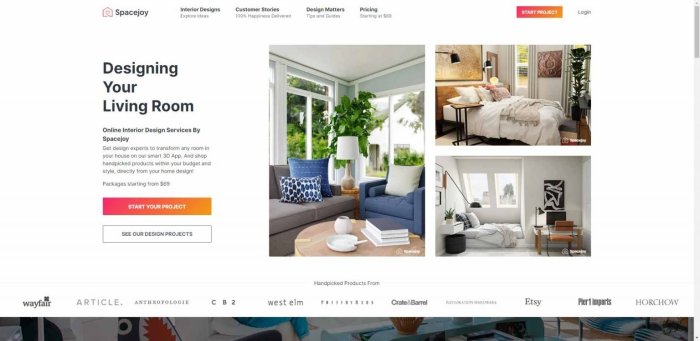
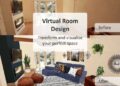
Virtual interior design services involve the use of online platforms or companies to provide remote interior design solutions for residential or commercial spaces. Clients can work with professional designers virtually to create personalized interior designs for their homes or offices.
Benefits of Using Virtual Interior Design Services
- Convenience: Clients can access interior design services from the comfort of their own homes, eliminating the need for in-person meetings.
- Cost-effective: Virtual interior design services often come at a lower price point compared to traditional interior design services, making it more accessible to a wider range of clients.
- Time-saving: By working remotely, clients can save time that would have been spent commuting to meetings or visiting showrooms.
Examples of Virtual Interior Design Platforms or Companies
- Modsy:Modsy offers virtual interior design services that include 3D renderings of designed spaces, personalized shopping lists, and direct communication with designers.
- Havenly:Havenly provides online interior design services with options for different budget levels, style preferences, and room types.
- Decorist:Decorist offers virtual interior design packages with professional designers who create customized design plans based on clients' needs and style preferences.
Process of Virtual Interior Design Services
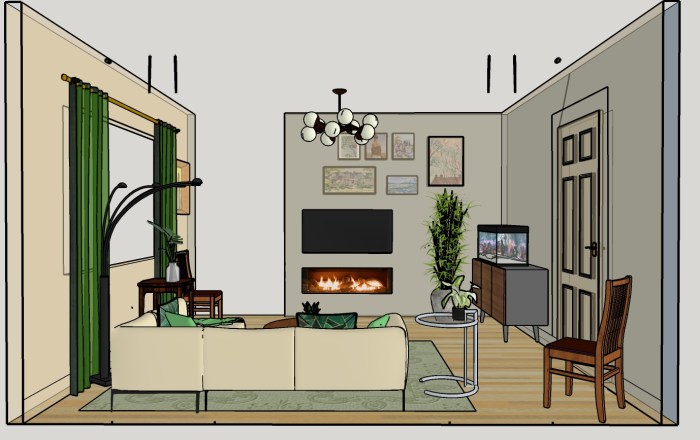
Virtual interior design services involve a series of steps to create personalized and functional living spaces for clients. Through virtual communication and innovative tools, designers can collaborate effectively with clients to bring their vision to life.
Initial Consultation
During the initial consultation, clients discuss their needs, preferences, and budget with the designer. This helps establish the design direction and establish clear goals for the project.
Virtual Design Concept Presentation
Designers create a virtual design concept based on the client's input, including mood boards, color schemes, and layout options. This allows clients to visualize the proposed design before making any decisions.
Design Development and Refinement
Clients can provide feedback on the initial design concept, and designers can make adjustments accordingly. Through virtual meetings and communication, clients and designers collaborate to refine the design until it meets the client's expectations.
Virtual Design Implementation
Once the design is finalized, designers provide clients with a detailed plan, including furniture and decor recommendations, color schemes, and layout instructions. Clients can then implement the design at their own pace, with the support of the designer as needed.
Virtual Design Reveal
The final step involves the virtual design reveal, where clients get to see their transformed space come to life. Designers provide a virtual tour of the space and address any final questions or concerns the clients may have.Overall, virtual interior design services offer a convenient and efficient way for clients to work with designers remotely, ensuring a seamless design process from start to finish.
Virtual Interior Design Tools
Virtual interior design services rely on a variety of software and apps to bring designs to life in a digital space. These tools allow designers to visualize their ideas, communicate with clients, and create detailed plans for implementation.
Common Software and Apps
- AutoCAD: Widely used for creating 2D and 3D models of interior spaces, AutoCAD provides a comprehensive set of tools for precise design work.
- SketchUp: Known for its user-friendly interface, SketchUp allows designers to quickly create 3D models and present them in a realistic way.
- Revit: Popular among professionals, Revit offers advanced tools for building information modeling (BIM) and collaboration among team members.
- Adobe Photoshop: Used for creating mood boards, editing images, and enhancing visual presentations, Photoshop is essential for adding finishing touches to interior design projects.
Comparison of Tools
| Software/App | Key Features | Benefits |
|---|---|---|
| AutoCAD | Precision drawing tools, 3D modeling capabilities | Ideal for detailed floor plans and architectural drawings |
| SketchUp | Intuitive interface, quick 3D modeling | Great for concept development and client presentations |
| Revit | BIM functionality, collaboration tools | Streamlines the design process and improves project coordination |
| Adobe Photoshop | Image editing, graphic design tools | Enhances visual communication and presentation quality |
Enhanced Design Experience
Virtual interior design tools empower designers to experiment with different layouts, materials, and color schemes without the need for physical prototypes. This not only saves time and resources but also allows for more creativity and flexibility in the design process.
Collaborating with Virtual Interior Designers
Collaborating with virtual interior designers is a seamless process that allows clients to communicate their preferences effectively and see them come to life in their design projects. Through clear communication and feedback, clients can work closely with designers to achieve their desired vision for their spaces.
Communicating Preferences
When working with virtual interior designers, clients can communicate their preferences through various means such as:
- Sharing inspiration images or mood boards to convey the desired style and aesthetic.
- Providing detailed descriptions of their likes and dislikes regarding colors, furniture, decor, etc.
- Participating in virtual meetings or video calls to discuss ideas and preferences directly with the designer.
Successful Collaborations
Successful virtual design collaborations often involve open communication and a strong partnership between the client and designer. For example:
- A client who wanted a modern minimalist living room shared specific examples of furniture styles and colors they preferred, leading to a design that perfectly matched their vision.
- Another client regularly provided feedback on design drafts, allowing the designer to make adjustments and refinements until the final design exceeded the client's expectations.
Incorporating Client Feedback
Virtual designers incorporate client feedback by:
- Reviewing and analyzing feedback provided by the client after each design iteration.
- Adjusting the design based on the client's comments, suggestions, and requests to ensure it aligns with their vision.
- Presenting revised designs or concepts for further feedback and approval before finalizing the project.
Cost and Pricing of Virtual Interior Design Services
Virtual interior design services typically have a cost structure that varies depending on the complexity of the project, the designer's experience, and the scope of services provided. Compared to traditional interior design methods, virtual services often offer more affordable pricing due to lower overhead costs and the ability to work remotely.
Factors Influencing Pricing
Factors that influence the pricing of virtual interior design services include:
- The size and complexity of the project
- The level of customization required
- The designer's experience and expertise
- The number of revisions included in the package
- The software and tools used for virtual design
Trends in Virtual Interior Design
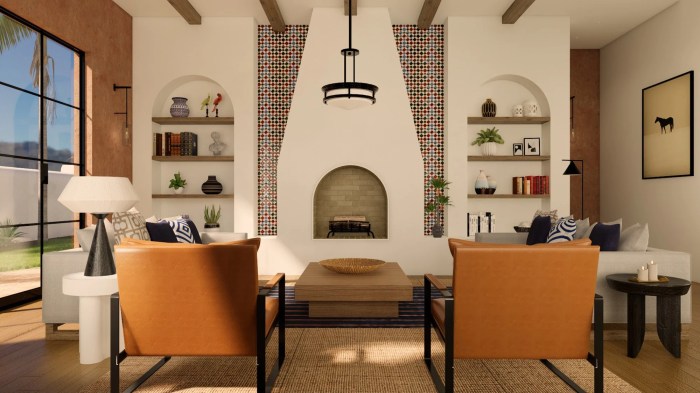
Virtual interior design services are constantly evolving to keep up with the latest trends in technology and consumer preferences. As we look towards the future of interior design, it's important to consider how these trends are shaping the industry and the way designers work with clients.
Incorporating Sustainable Design Practices
In today's environmentally-conscious world, sustainable design practices are becoming increasingly important in interior design. Virtual interior designers are incorporating eco-friendly materials, energy-efficient solutions, and sustainable design principles into their projects to create spaces that are not only aesthetically pleasing but also environmentally responsible.
Personalization and Customization
One of the key trends in virtual interior design is the focus on personalization and customization. Clients are looking for spaces that reflect their unique personalities and lifestyles, and virtual designers are leveraging technology to create customized designs that meet their specific needs and preferences.
From custom furniture pieces to personalized color schemes, virtual interior design services are offering clients the opportunity to create truly one-of-a-kind spaces.
Integration of Virtual Reality and Augmented Reality
Virtual reality (VR) and augmented reality (AR) are revolutionizing the interior design industry by allowing designers and clients to visualize spaces in a whole new way. VR technology enables clients to take virtual tours of their design projects before they are implemented, giving them a realistic sense of the space and allowing them to make informed decisions.
AR technology, on the other hand, allows clients to see how furniture and decor items will look in their space before making any purchases. The integration of VR and AR into virtual interior design services is enhancing the overall design experience and helping clients feel more confident in their design choices.
Summary
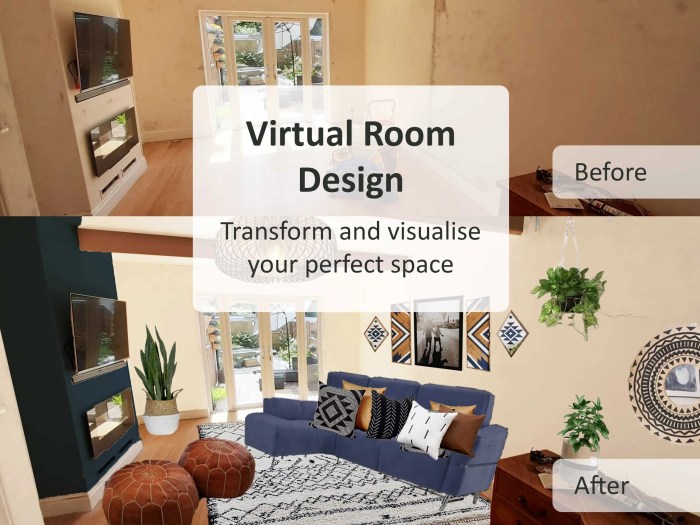
In conclusion, virtual interior design services open up a world of creativity and collaboration, bridging distances and bringing dreams to life. Embrace the future of design with virtual solutions that offer convenience, flexibility, and limitless inspiration.
Query Resolution
How do virtual interior design services work?
Virtual interior design services involve using digital tools and platforms to collaborate with designers remotely, allowing for seamless communication and visualization of design concepts.
What are the benefits of virtual interior design services?
Virtual interior design services offer convenience, cost-effectiveness, and the ability to work with designers from anywhere in the world, saving time and resources.
What factors influence the pricing of virtual interior design services?
The pricing of virtual interior design services can vary based on the complexity of the project, the level of customization required, and the reputation of the design firm or individual designer.