
Exploring the world of siding roofing contractors opens up a realm of possibilities for homeowners looking to enhance their property's aesthetics and durability. From selecting the right materials to understanding installation techniques, this guide delves into the intricacies of siding projects with expertise and insight.
As we navigate through the various aspects of siding roofing contractors, we uncover key considerations that can make a significant difference in the overall outcome of your home improvement endeavors.
Types of Siding Materials
When it comes to siding materials used by roofing contractors, there are several popular choices available. Let's take a closer look at some of the most common options:
Vinyl Siding vs. Wood Siding
Vinyl siding is known for its durability and low maintenance requirements. It is resistant to rot, fading, and insect damage, making it a popular choice among homeowners. On the other hand, wood siding offers a more traditional and natural look but requires more maintenance, including regular painting or staining to prevent decay and weathering.
Fiber Cement Siding
Fiber cement siding is gaining popularity due to its longevity and resistance to elements. Made from a combination of cement, sand, and cellulose fibers, this type of siding is highly durable and can withstand harsh weather conditions, such as extreme heat, cold, and moisture.
It also resists rot, fire, and termites, making it a reliable option for homeowners looking for a long-lasting and low-maintenance siding material.
Considerations for Choosing Siding
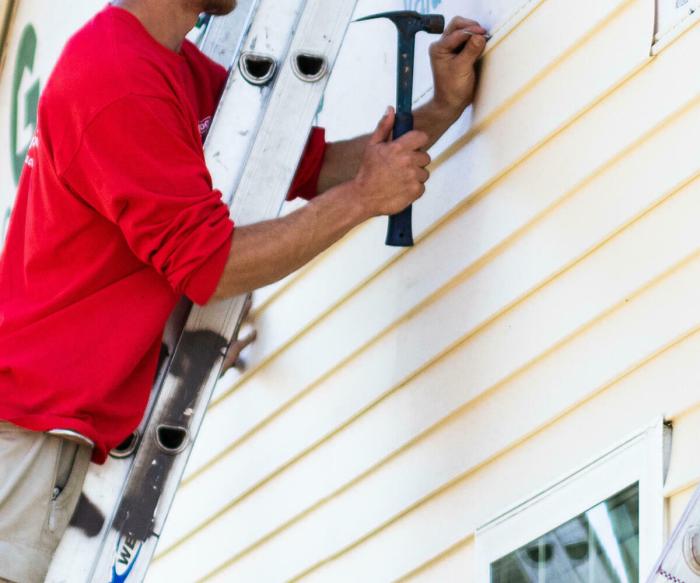
When it comes to choosing the right siding for a property, roofing contractors take into account various factors to ensure the best outcome. Factors such as climate, architectural style, insulation, moisture barriers, color, and texture all play a significant role in the decision-making process.
Assessment of Climate and Architectural Style
- Roofing contractors consider the climate of the area where the property is located. Siding materials need to withstand the specific weather conditions, whether it's extreme heat, cold, rain, or snow.
- The architectural style of the property also influences the choice of siding. Contractors aim to select materials that complement the overall design and aesthetics of the building.
Importance of Insulation and Moisture Barriers
- Proper insulation is crucial for energy efficiency and maintaining a comfortable indoor environment. Contractors ensure that the siding material provides adequate insulation to reduce heating and cooling costs.
- Moisture barriers are essential to prevent water infiltration and protect the structure from damage. Contractors install moisture barriers to ensure the longevity of the siding and the integrity of the property.
Impact of Color and Texture Choices
- The color and texture of the siding can significantly impact the curb appeal and value of a property. Contractors work with homeowners to choose colors and textures that enhance the overall aesthetics and create a cohesive look.
- Lighter colors can reflect heat and make a property appear larger, while darker colors can add depth and drama. Texture choices, such as smooth or wood grain finishes, can also affect the visual appeal of the property.
Installation Techniques
When it comes to installing siding on a residential property, there are several key steps involved in the process. It's important to follow these steps carefully to ensure a successful and long-lasting installation.
Typical Steps in Siding Installation
Here are the typical steps involved in installing siding on a residential property:
- Preparation of the exterior walls, which may involve removing old siding, repairing any damaged areas, and adding a moisture barrier.
- Measurement and cutting of the siding material to fit the walls properly.
- Installation of starter strips and corner pieces to provide a solid base for the siding panels.
- Placement and securing of the siding panels, ensuring they are level and properly aligned.
- Finishing touches such as adding trim, caulking joints, and painting or sealing the siding.
Tools and Equipment Required
For a successful siding installation project, you will need the following tools and equipment:
- Siding nailer or hammer and nails for securing the siding panels.
- Tape measure and chalk line for accurate measurements and alignment.
- Saw or siding cutter for cutting the siding material to the correct size.
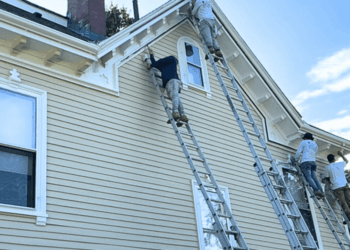
- Ladder or scaffolding for reaching higher areas of the property.
- Level and square to ensure the siding panels are installed properly.
Importance of Proper Ventilation and Drainage
Proper ventilation and drainage are crucial aspects of a siding installation to prevent moisture-related issues such as mold, rot, and decay. Without adequate ventilation, moisture can become trapped behind the siding, leading to structural damage over time.
It's essential to install siding with the correct clearances to allow for proper airflow and drainage. Additionally, using materials that are resistant to water and moisture can help mitigate potential issues in the future.
Maintenance and Repairs
Regular maintenance is essential to ensure the longevity of your siding materials and prevent costly repairs in the future. By following recommended practices and conducting thorough inspections, you can identify minor damages early on and address them promptly.
Recommended Maintenance Practices
- Regularly clean your siding with a mild detergent and water to remove dirt, grime, and debris.
- Inspect for any signs of damage such as cracks, peeling paint, or warping, and address them immediately.
- Trim trees and bushes near your siding to prevent damage from branches and leaves rubbing against the surface.
- Check for any gaps or holes where pests could enter and seal them to prevent infestations.
- Repaint or reseal your siding as needed to maintain its protective coating and prevent water damage.
Common Issues and Repairs
- Moisture damage: Water infiltration can lead to rot, mold, and mildew growth. Roofing contractors may need to replace damaged sections and improve drainage systems.
- Cracks and warping: Extreme weather conditions can cause siding to crack or warp. Contractors may need to repair or replace affected panels to maintain the integrity of the structure.
- Pest infestations: Insects and rodents can cause significant damage to siding materials. Contractors may need to treat the affected areas and implement preventive measures.
Tips for Regular Inspections
- Inspect your siding at least once a year, preferably in the spring or fall, to check for any signs of damage.
- Look for signs of discoloration, peeling paint, or loose panels that may indicate underlying issues.
- Use a ladder to inspect hard-to-reach areas and ensure all sections of your siding are in good condition.
- Document any damages or concerns and consult with a roofing contractor for professional assessment and repairs.
Final Conclusion
In conclusion, siding roofing contractors play a vital role in ensuring the structural integrity and visual appeal of your home. By making informed choices and staying proactive with maintenance, you can enjoy a beautiful and sturdy exterior for years to come.
FAQ Section
How do I choose the right siding material for my home?
Consider factors like climate, maintenance requirements, and aesthetic preferences to select the best siding material that suits your needs.
What are some common issues that may arise with siding over time?
Issues like warping, fading, or moisture-related damage can occur, but timely maintenance and repairs can address these problems effectively.
Why is proper insulation important in siding installation?
Proper insulation helps regulate temperature inside your home, improves energy efficiency, and protects against moisture buildup.