
Delving into the realm of new windows and siding cost, this narrative sets the stage for a journey filled with valuable insights and practical advice. From understanding the factors that influence pricing to exploring financing options and ROI, this guide covers it all.
Moving forward, let's unravel the complexities surrounding the costs associated with new windows and siding installations.
Factors influencing the cost of new windows and siding
When considering the cost of installing new windows and siding for your home, several factors come into play that can impact the overall expenses. It is essential to understand these influences to make an informed decision and budget accordingly.
Types of Windows and Siding Materials
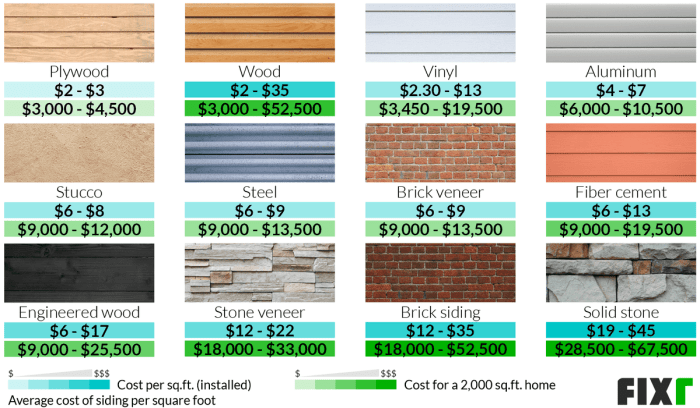
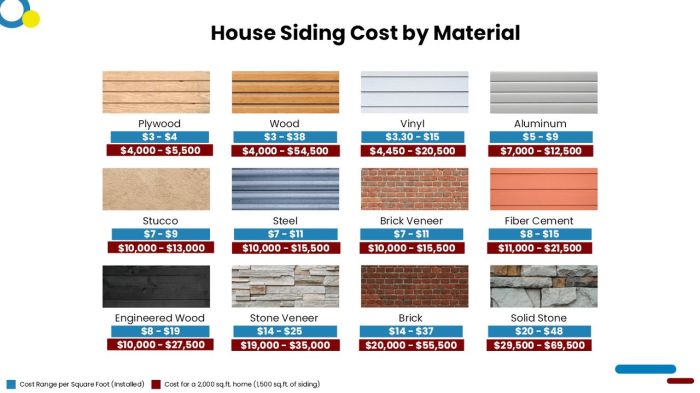
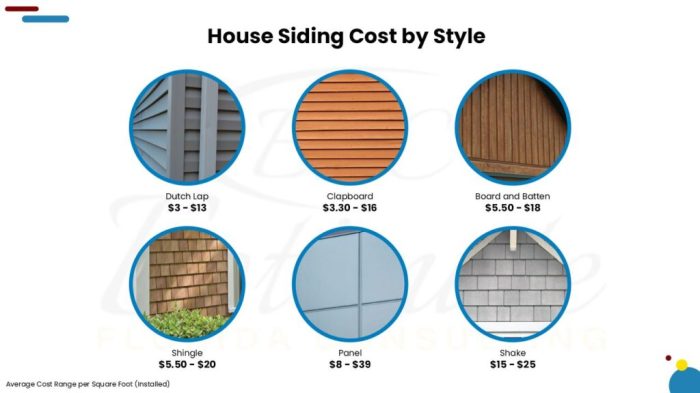
The choice of materials for windows and siding significantly affects the cost of the project. High-end materials such as fiberglass windows or cedar siding will come at a higher price point compared to vinyl windows or vinyl siding. The quality, durability, and aesthetic appeal of the materials will influence the overall cost.
Size of the Project
The size of the project, including the number of windows to be replaced and the square footage of siding needed, directly impacts the total cost. Larger projects require more materials and labor, resulting in higher expenses. Additionally, complex designs or customizations may add to the overall price.
Additional Costs
In addition to materials, labor costs, permits, and disposal fees are essential factors to consider. Professional installation of windows and siding requires skilled labor, which adds to the total cost. Permits may be necessary depending on local regulations, and disposal fees for old materials must also be taken into account.
Cost Variations based on Geographical Location
The cost of new windows and siding can vary based on geographical location and market trends. Higher demand in certain areas may drive up prices, while different labor costs and regulations in various regions can also influence the overall expenses.
It is crucial to research and compare prices in your specific area to get an accurate estimate for your project.
Estimating the cost of new windows and siding
When estimating the cost of new windows and siding for your home, it's essential to consider both the materials and installation expenses involved. Here, we break down the typical costs and provide tips on how to get accurate quotes from contractors, as well as cost-saving measures and potential hidden costs to be aware of.
Breakdown of Costs
- Materials: The cost of materials for new windows and siding can vary depending on the quality and type chosen. On average, homeowners can expect to pay anywhere from $500 to $1,500 per window, while siding costs typically range from $6 to $12 per square foot.
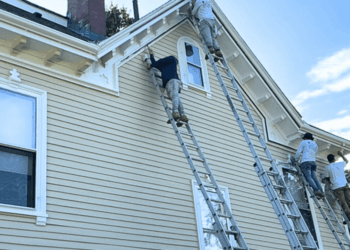
- Installation: Installation costs can make up a significant portion of the total expenses. For windows, installation prices can range from $150 to $300 per window, while siding installation costs around $4 to $8 per square foot.
Getting Accurate Quotes
- Get multiple quotes from different contractors to compare prices and services offered.
- Provide detailed information about your project to contractors, including the number of windows or square footage of siding needed.
- Ask for a breakdown of costs in the quotes to understand what is included in the pricing.
Cost-Saving Strategies
- Consider energy-efficient windows and siding to potentially lower utility bills in the long run.
- Plan your project during off-peak seasons when contractors may offer discounts.
- Do some of the prep work yourself, such as removing old windows or siding, to reduce labor costs.
Hidden Costs to Watch Out For
- Permit fees: Some areas require permits for window and siding installations, which can add to the overall cost.
- Structural repairs: If underlying issues are discovered during the installation process, additional repairs may be needed, increasing expenses.
- Trim work: Custom trim or additional finishing touches can drive up costs beyond the initial estimates.
Financing options for new windows and siding
When it comes to financing new windows and siding for your home, there are several options available to help you cover the costs. Each financing solution has its pros and cons, so it's essential to evaluate them carefully to determine which one best fits your individual needs and financial situation.
Loans
- Home Improvement Loans: These loans are specifically designed for home improvement projects, including new windows and siding. They typically offer lower interest rates compared to personal loans or credit cards.
- HELOC (Home Equity Line of Credit): This option allows you to borrow against the equity in your home. It can be a cost-effective way to finance your project, but you are using your home as collateral.
Credit Cards
- Using a credit card to finance your new windows and siding can be convenient, but it often comes with higher interest rates compared to other loan options. It's crucial to consider the interest charges and the impact on your credit score.
Savings
- If you have enough savings set aside, using them to fund your home improvement project can be a cost-effective option. However, depleting your savings may leave you vulnerable in case of emergencies.
Choosing the Best Financing Option
- Consider the interest rates and terms of each financing option.
- Evaluate the impact on your monthly budget and long-term financial goals.
- Look at the total cost of borrowing, including interest and fees.
- Compare the risks and benefits of each financing solution.
It's essential to choose a financing option that aligns with your budget, financial goals, and risk tolerance.
Impact on Overall Cost
- Choosing a financing option with a lower interest rate can help reduce the overall cost of your new windows and siding project.
- Paying off the loan or credit card balance quickly can also minimize the total amount paid in interest over time.
- Defaulting on loan payments or carrying a high credit card balance can lead to additional fees and negatively impact your credit score.
Return on investment (ROI) for new windows and siding
Investing in new windows and siding for your home is not just about enhancing its aesthetic appeal; it can also have a significant impact on the property's overall value and energy efficiency. Let's delve into how these upgrades can provide a good return on investment.
Increased Property Value
Upgrading to new windows and siding can boost your home's curb appeal and make it more attractive to potential buyers. This increased visual appeal can lead to a higher resale value, allowing you to recoup a significant portion of your initial investment.
Energy Efficiency and Cost Savings
High-quality windows and siding can improve your home's energy efficiency by better insulating it from external elements. This enhanced insulation can result in lower energy bills, as your heating and cooling systems won't have to work as hard to maintain a comfortable temperature indoors.
Over time, the cost savings on energy bills can add up, providing a tangible return on your investment.
Variation in ROI Based on Materials
The choice of materials for new windows and siding can greatly impact the return on investment. For example, opting for energy-efficient windows or durable siding materials like fiber cement can lead to higher ROI compared to standard options. It's essential to consider the long-term benefits and durability of the materials chosen to maximize the return on your investment.
Factors Influencing ROI
Several factors can influence the ROI of new windows and siding installations, including the initial cost of the materials, the quality of installation, and the local real estate market conditions. Proper maintenance and upkeep of the windows and siding over time can also play a crucial role in preserving their value and maximizing ROI.
Last Point
In conclusion, the journey through the intricacies of new windows and siding cost unveils a wealth of information to aid homeowners in making informed decisions. Whether it's about maximizing ROI or selecting the right financing option, this guide serves as a beacon of knowledge in the realm of home improvement projects.
Key Questions Answered
What are some common types of materials used for new windows and siding?
Common materials include vinyl, wood, aluminum, and fiber cement, each with varying costs and benefits.
How can homeowners ensure accurate cost estimates from contractors?
Homeowners can request detailed quotes, compare multiple estimates, and clarify any potential additional charges upfront.
What financing options are available for new windows and siding projects?
Financing options may include loans, credit cards, or utilizing savings, each with its own advantages and considerations.
How do new windows and siding installations impact property value?
High-quality windows and siding can enhance curb appeal and energy efficiency, potentially increasing property value.
Are there any hidden costs homeowners should be aware of when planning for new windows and siding?
Potential hidden costs may include structural repairs, additional permits, or unforeseen complications during installation.